


Botox: treat wrinkles or preserve expressions?
Written by Douae Elle · October 1, 2026
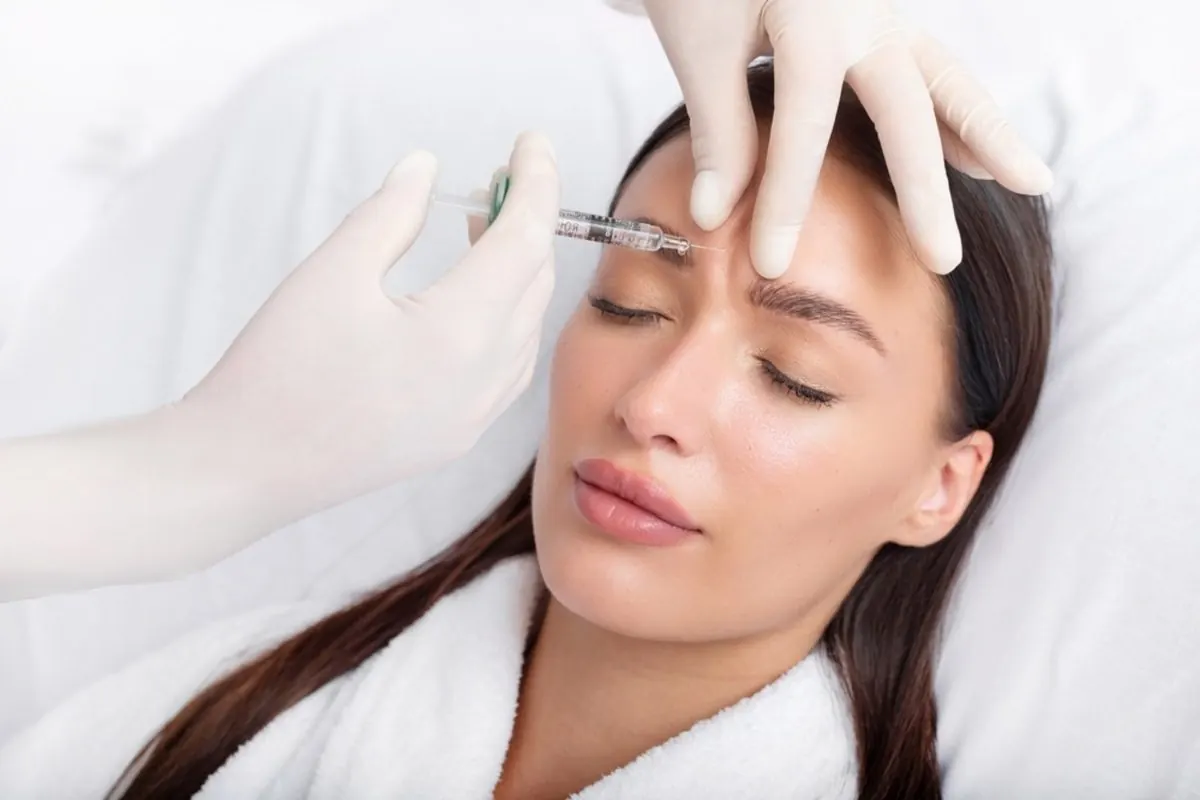
It's probably the question we hear most in consultations: "I want to soften my wrinkles, but I don't want to look frozen. Is that possible?" The answer is yes. With Botox and other neuromodulators, it all comes down to the goal, the dose and the technique. Here's how we find the balance between treating wrinkles and preserving your expressions.
How does Botox work?
Botox is a brand of neuromodulator, a prescription medication made from botulinum toxin type A. Injected in very small amounts into a targeted muscle, it temporarily relaxes it. The muscle contracts less, so the skin creases less, and expression lines soften.
The most common areas:
- The forehead (horizontal lines)
- The frown lines (between the brows)
- Crow's feet (at the corners of the eyes)
Results start to show after a few days, peak around two weeks and usually last 3 to 4 months. To understand how it differs from fillers and biostimulators, read our guide to neuromodulators.
Treating wrinkles: when that's the main goal
If your lines are deep, even at rest, the goal is to soften them visibly. We then use enough product to relax the muscles responsible. The result: smoother skin and a more rested look.
But even then, we never aim for a motionless face. We target the muscles that create the lines while sparing the ones that bring your face to life.
Preserving expressions: the natural approach
Your face speaks for you. A brow that lifts when you're surprised, eyes that crinkle when you laugh: those are your expressions, and they're part of who you are. Our approach is to keep them.
How? With a few principles:
- Tailored doses. Instead of a "standard" amount, we adjust to the strength of your muscles and the result you want.
- Precise placement. A few millimetres make all the difference between a relaxed forehead and a drooping brow.
- A gradual approach. We can start gently and adjust at the two-week follow-up. It's always easier to add than to take away.
- Keeping some movement. For many of our clients, the ideal is a forehead that still moves slightly, without deep lines.
What about prevention?
More and more people in their twenties and thirties start neuromodulators at low doses, before lines set in at rest. The idea is to reduce the repeated movements that mark the skin over time. It isn't necessary for everyone, and we'll discuss it honestly in consultation based on your skin, age and goals.
Who shouldn't have it?
Neuromodulators aren't recommended during pregnancy or breastfeeding, or with certain neuromuscular conditions. That's why every treatment starts with a review of your medical history.
So, treat or preserve?
You don't have to choose. The right treatment does both: it softens what bothers you and keeps what makes you look like you. That's what we call natural results, and it's at the heart of everything we do.
Wondering which approach is right for you? Book a free consultation at one of our clinics. We'll look at your expressions with you before suggesting a plan. To learn more about the treatment, visit our wrinkle-relaxing injections page.
Start with a free consultation
Every plan begins with a conversation about your goals, your face and your timeline.
Book a free consultation