


Neuromodulators, biostimulators and fillers: the differences, and why we avoid brand names
Written by Douae Elle · September 30, 2026
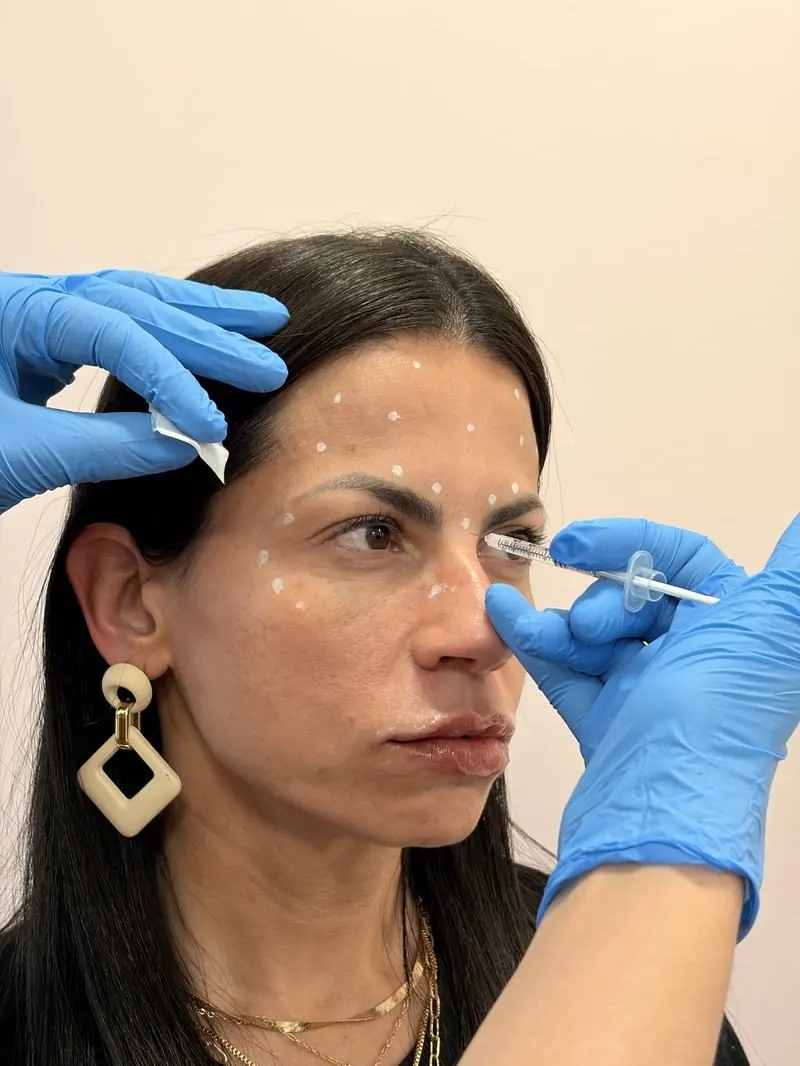
Botox, Dysport, Sculptra, "filler"… The names are everywhere, but they refer to products that have nothing in common. Here's how to tell them apart, and why you see the word "neuromodulator" more and more in clinics.
1. Neuromodulators
These are botulinum toxin type A, a prescription drug. Injected in very small amounts, they temporarily relax specific muscles. Less contraction means fewer expression lines: the forehead, the frown lines between the brows, crow's feet.
- What they do: relax muscles, not add volume
- When it kicks in: after a few days, with full effect around two weeks
- How long it lasts: about 3 to 4 months
Several brands are approved in Canada, including Botox and Dysport. They all contain botulinum toxin type A, but their units aren't interchangeable: 20 units of one brand don't equal 20 units of another. They can also differ slightly in how fast they act and how they spread. The choice is made at consultation, based on the area and your history.

2. Biostimulators
The best known is Sculptra (poly-L-lactic acid). It doesn't relax muscles and doesn't fill instantly: it stimulates your own collagen, improving firmness and volume over several months. We explain it all in our Sculptra article.
3. Fillers
Made of hyaluronic acid, a substance naturally found in skin, they add volume or definition immediately: lips, cheeks, jaw, chin, under-eyes. They break down slowly over 6 to 18 months depending on the area. See our guide ½ syringe or 1 syringe.
In short
- A line that appears when you move (frowning, smiling): often a job for a neuromodulator.
- A hollow or missing volume: a filler.
- Skin losing firmness overall: a biostimulator.
Many plans combine all three.
Why clinics avoid brand names
You may have noticed that reputable clinics write "neuromodulator" or "wrinkle injections" rather than a brand name. It's not a whim.
In Canada, botulinum toxin is a prescription drug. The *Food and Drug Regulations* (section C.01.044) say that advertising a prescription drug to the public can only cover its name, price and quantity. A clinic can post "Botox: $12 per unit," but it can't pair the brand name with promised results, before/after photos or slogans. Health Canada receives many complaints about this and publishes the cases.
In Quebec, the codes of ethics of the professional orders, such as the Collège des médecins and the Ordre des infirmières et infirmiers, add strict rules on aesthetic medicine advertising: no misleading information, no pressure to buy, and photos published only with patients' written consent.
That's why, on our website and social media, you'll mostly see the general term when we talk about what a treatment does. What matters isn't the name on the vial: it's a product approved by Health Canada, injected by a trained professional, at the right dose for you. Never hesitate to ask to see the product label.
Want a clear plan? Book a consultation or visit our wrinkle injections, Sculptra and dermal fillers pages. Questions? Call us at 438 449-2380.
Start with a free consultation
Every plan begins with a conversation about your goals, your face and your timeline.
Book a free consultation