


Hair loss: can PRP help? And why we check your blood first
Written by Douae Elle · September 29, 2026
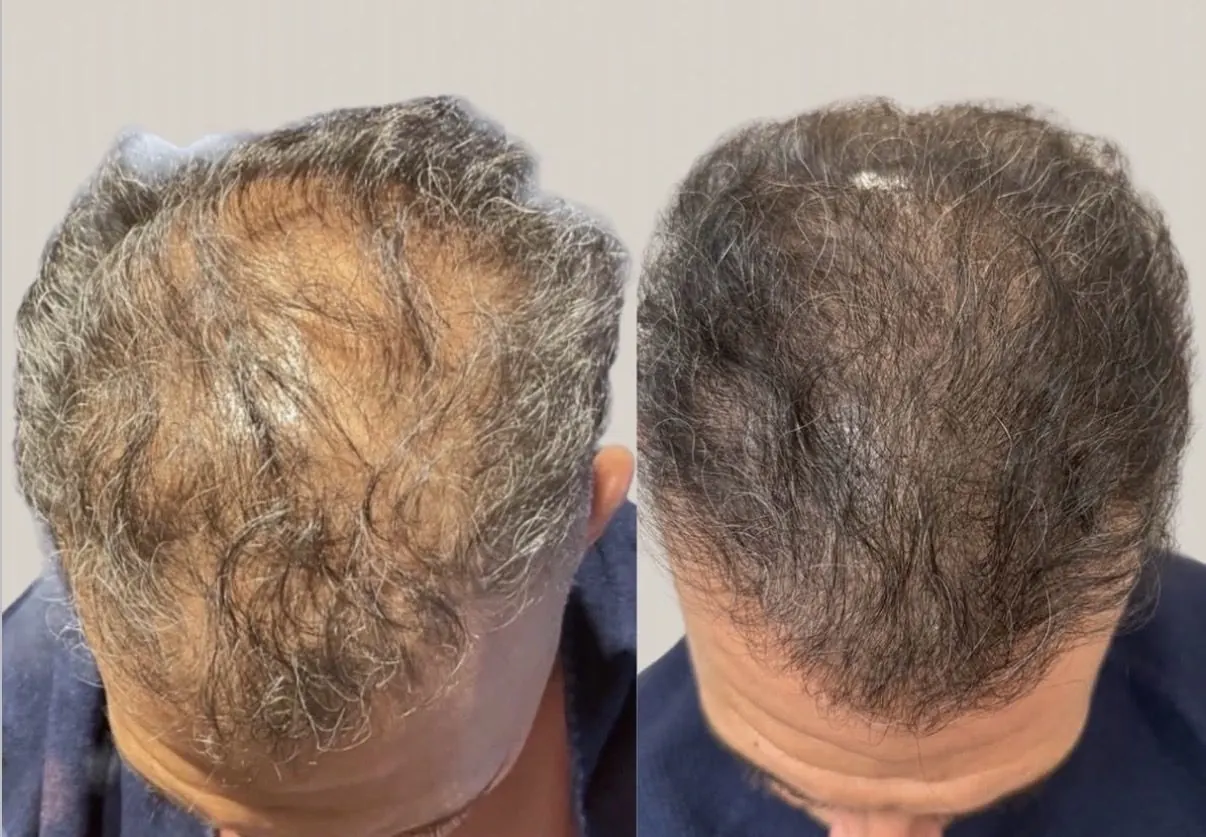
Seeing more hair in the shower or on your pillow is worrying. PRP (platelet-rich plasma) is a natural option that can help slow shedding and thicken hair. But before talking about treatment, there's one question to answer: why is your hair falling out?
The most common causes
Hair loss rarely has a single cause. These are the ones we see most often:
- Androgenetic alopecia: hereditary thinning. In men it recedes the temples and the crown; in women it mostly widens the part. It's the most common cause, and the one that responds best to PRP.
- Low iron and anemia: low iron stores (ferritin) can cause shedding, even without full anemia. It's especially common with heavy periods, vegan diets and after pregnancy.
- Thyroid: an underactive or overactive thyroid can make hair thin and brittle and speed up shedding.
- Telogen effluvium: diffuse shedding that starts 2 to 3 months after major stress, an illness with fever, surgery, childbirth or rapid weight loss. It's often temporary.
- Deficiencies: vitamin D, vitamin B12, zinc or too little protein.
- Hormones: polycystic ovary syndrome (PCOS), menopause or stopping hormonal contraception.
- Some medications, traction alopecia (tight hairstyles) and alopecia areata, an autoimmune condition that causes round bald patches.
Why a blood test first
If your hair is falling out because you're low in iron or your thyroid is off, PRP won't fix it. The cause needs to be treated first. Depending on your situation, bloodwork may include a complete blood count, ferritin, TSH (thyroid), vitamin D and vitamin B12.
It's also about safety: PRP is made from your own platelets. A low platelet count, a bleeding disorder or certain medications such as blood thinners can make the treatment less effective or not advisable. We always discuss this at consultation.
How PRP for hair works
We draw a small blood sample and spin it to concentrate the platelets. This plasma, rich in growth factors, is then injected into the scalp where hair is thinning. The growth factors help reactivate weakened follicles and extend the hair's growth phase.
What to expect
- The protocol: usually 3 or 4 sessions 4 to 6 weeks apart, then maintenance every 4 to 6 months.
- Results: gradual. Most people notice less shedding first, then better density after 3 to 6 months.
- Downtime: none. The scalp may feel tender for a day or two.
- Limits: PRP works best while follicles are still present. It won't regrow hair on an area that has been completely smooth for years. The earlier you start, the better.
Coming soon: blood tests in Boisbriand
Our nursing services, including blood tests, are coming soon to the Boisbriand clinic. You'll be able to do your bloodwork and your PRP follow-up in one place.
Is your hair thinning? Book a consultation to assess the cause and see whether PRP is right for you, or send us a request. Questions? Call us at 438 449-2380.
*This article is for information only and doesn't replace a medical assessment. Sudden hair loss, patchy loss, or hair loss with other symptoms (fatigue, shortness of breath, weight change) should be checked by your doctor.*
Start with a free consultation
Every plan begins with a conversation about your goals, your face and your timeline.
Book a free consultation